
The Sustainable Growth Cycle: How We Learned to Stop Chasing Every Opportunity

Can we tell you about a mistake we made in the early days of GrowthCatalyst?
We had a list.
A very long list.
Opportunities we wanted to pursue. Services we wanted to offer. Markets we wanted to get into. Partnerships we wanted to build. All for the benefit of our clients...that we didn't have yet.
Every item on that list made perfect sense. Each one was a legitimate opportunity that could drive growth. We had that classic founder enthusiasm—seeing possibilities everywhere and wanting to capture all of them.
The problem? As more things went on the list, the less we actually achieved.
Sure we were busy. But there was no meaningful progress on anything because we were spreading ourselves too thin.
That experience—painful as it was—taught us something valuable. And it became a cornerstone of how we now help clients navigate their growth challenges.
In our experience, it’s incredibly rare for a business owner to lack ideas. What they do lack is a coherent way to connect those ideas into something that actually drives sustainable growth.
The framework we developed from our own hard-learned lessons is what we call the Sustainable Growth Cycle. It's not complicated. But it is deliberate. And it works.
Key Takeaways:
Sustainable growth is a cycle…not a project - clarity drives better decisions, which enables focused capability building. That protects what's working while you build what's next; if you break the cycle at any point, and growth stalls
Most growth efforts that fail do so because initiatives are disconnected - pursuing opportunities without clarity of purpose, building capability without clear priorities, or chasing growth at the expense of what already works all lead to burnout without breakthrough
The cycle needs discipline to work - saying no to opportunities that don't align, resisting the urge to be involved in everything, protecting foundations while building new capabilities. These are all non-negotiable
Your business needs all four elements working together - you can't skip ahead to capability building without clarity, or pursue opportunities without the systems to deliver; the elements support each other or undermine each other
What happens for many (most?) SMEs
Turns out there’s a bit of a pattern.
A business builds thanks almost exclusively to the efforts of the owner/founder. It reaches a point where it's earning a reasonable level of revenue and the team works well together. On paper, things look ok – good, even.
But things start getting bogged down. Growth has slowed. Or it's become erratic with zero predictability. Usually at this stage, the owner (and probably everyone else) is working harder than ever but not seeing the outcomes they expected.
Look closely at businesses like this and you’ll find the same thing: lots of activity, but no coherent strategy connecting it all.
It’s a situation characterised by:
Going after opportunities that don't align with what the business is actually good at
Building capability in areas that don't support the core direction and vision
Being so focused on what's next that they're neglecting what's already working
The Sustainable Growth Cycle addresses these issues
It’s a framework that connects purpose, priorities, capability, and protection into a coherent approach where each element supports the others.
Here’s an overview:
Element 1: Clarity (it’s hard to survive without it)
Clarity on three things is the foundation of sustainable growth: purpose, vision, and strategy.

These things are real…not Management 101 jargon. They help you create a practical foundation for every decision that matters.
Looking at each of these three concepts:
Purpose:
Ask yourself…why does your business exist beyond making money? This becomes the filter that helps you say yes to the right things and no to everything else.
In our early days at GrowthCatalyst, we only had a very vague notion of we existed. As a result, we basically had next to no filter for making decisions on the things that matter for the future of the business.
After some robust discussion and agreeing on what we’re great at, here’s where we ended up: we exist to help SME owners create the clarity and confidence to achieve sustainable, purpose-driven growth without sacrificing what makes their business valuable. That changed everything.
Suddenly, half (at least) of the opportunities on our list didn't fit.
Vision:
Where are you heading in three to five years? Not vague aspirations, but specific, tangible outcomes. What does the business actually look like? What markets are you in? What clients are you servicing? How is the business structured? What’s your role look like?
Clarity about what you’re trying to achieve is at the core of being able to prioritise opportunities effectively.
Strategy:
How will you achieve that vision and deliver on your purpose? What are the main strategic choices that define your approach? What markets will you focus on? What are the standout strengths that you’ll build on? What won't you do?
This matters because time spent building clarity is time saved avoiding mistakes. Without it, you risk chasing opportunities that don't fit, building capability in the wrong areas, and making decisions based on urgency rather than importance (yes, there’s a difference).
Element 2: Identify and prioritise opportunities (through the lens of your strengths)
Next comes identifying and prioritising your growth opportunities.
You'll have lots of them – so many things you want to do. The challenge is never finding opportunities—it's choosing which to pursue.
This is where many businesses go wrong
Because it’s kind of natural to identify opportunities based on what looks attractive in the market at any given moment. Or what your competitors are doing. Or what clients are asking for (even if it’s only a handful).
It’s natural and in some ways even reasonable.
But it misses a critical filter. Those businesses usually don’t ask themselves what they do exceptionally well.
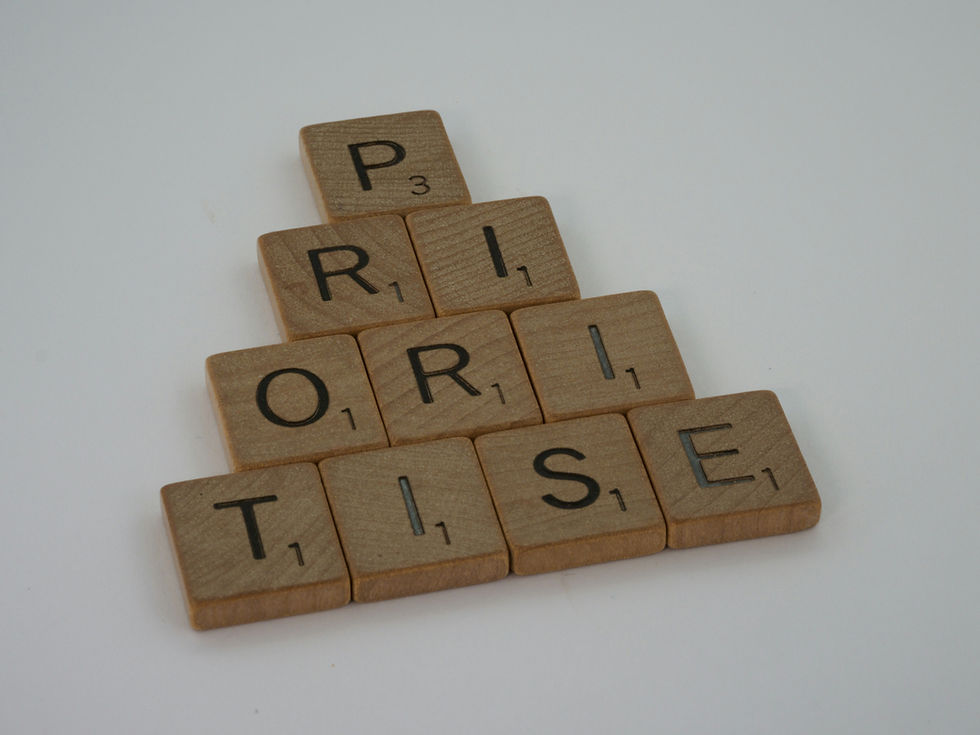
This is where our SO Approach becomes practical. By focusing on your strengths, it reduces the likelihood that you’ll chase opportunities just because they exist. It does that by pushing you to pursue opportunities that leverage what you're already great at.
Why does this make sense? Because opportunities aligned with your strengths are easier to execute, more likely to succeed, more defensible, and more sustainable.
Prioritising opportunities still needs discipline
Even with a strengths-based filter, you'll still have more opportunities than you can realistically pursue. So you need to be pretty ruthless in cutting down your list, preferably to three key priorities at most.
We learned this the hard way. Our early list held probably thirty items. They were all legitimate things for us to do, but it was obviously far too many to execute. And if we’d tried, none of them would be done well.
When we applied our actual strengths as a filter and prioritised with discipline, we got down to three. Revenue grew strongly the following year. Not because we worked harder. Because we focused on opportunities we could actually execute well.
Element 3: Build capability (and don’t be the handbrake)
Having identified and prioritised opportunities, you of course need the capability to deliver on them.
Growth efforts often stall on this element. Because building capability isn't just about hiring people or implementing systems. That’s likely necessary but misses one key thing… it’s important to build capability that works without you being personally involved in everything.
Capability is the combination of systems, people, and processes that enable your business to deliver value consistently and at scale. The systems need to work without your constant input. The people you hire need clear guardrails that enable them to make good decisions without your constant sign-off. And processes should be designed to maintain quality as you grow.
All of this needs to work without you putting your fingerprints on every little thing.
If you insist on being constantly involved, you’ll be the handbrake because growth will be limited by your personal capacity.
Element 4: Protect what's working (while building what's next)
This is often overlooked.
Early success often creates a paradox. That success comes from doing something well - obviously. Which creates opportunities. When that happens, some owners shift their focus almost entirely to building “what's next”. Meanwhile, what's already working well deteriorates from neglect.
The result is client service that suffers because attention is on new markets. Quality that slips because focus is on new offerings. And culture that erodes because people become unclear about what matters now.
It’s hard to grow a business in an environment like that.

What does protecting what’s working actually mean?
"What's working" in your business exists in a number of dimensions:
Core client relationships – Take care not to sacrifice your ideal client base to the altar of new opportunities.
Quality standards – You don’t become a successful business without a focus on quality. That needs to be maintained as you scale.
Culture - Values and behaviours can easily deteriorate during rapid growth so need to be actively promoted and protected.
Financial health – It’s a fallacy to say growth and additional revenue result in higher profits. It’s not necessarily the case so watch for narrowing margins and a tightening cash position.
Why sustainable growth isn't a “project”
Building sustainable growth isn't something you do once and think you can move on. It’s ongoing and needs constant attention.
It seems unnecessary to say the world changes pretty fast these days – markets, capabilities, tech, client preferences…you name it. And with that change, new opportunities emerge for your business. What you couldn’t have done even maybe a year ago, you can do now.
Which is why you need to treat creating and maintaining sustainable growth as a cycle, constantly coming back to each element to refine and adjust as needed.
How to tell if your growth cycle needs repair
There are some warning signs you should be alert to. If you miss any of these or recognise them but don’t address them, damage can be swift (and often permanent)
You're busy but not making progress – there’s a ton of activity in the business but it’s not moving the dial. This usually comes down to unclear priorities or pursuing too many.
Growth feels chaotic – this is similar…revenue is increasing but in a way that feels quite random. Month-to-month cash flow becomes increasingly difficult to predict, and everything seems a little “out of focus”. Again, this is usually caused by a lack of clarity.

You're constantly firefighting – you never seem to find clear air. Not just you, but everyone’s scrambling to get “stuff” done, and not all of it productive “stuff”. Check this one closely because you could be what’s getting in the way.
Clients are less satisfied and engaged – what started as a trickle of negative feedback from clients is fast becoming a torrent. It’s clear that quality has slipped, because longtime clients are moving on to other suppliers. Odds are you're not protecting what's already working. Instead, you keep lurching towards the latest “shiny thing”.
Your team is confused – more than ever before, they’re asking you what to focus on, and sometimes even working on conflicting initiatives. There’s also signs of disengagement, with some good people leaving the business voluntarily. This all points to a lack of clarity and prioritisation that has broken down.
If any of these sound familiar it’s a pretty strong signal the cycle is broken somewhere.
How we can help
This is what we do in our Growth Breakthrough Program: help you identify where your Sustainable Growth Cycle is breaking down and to fix it.
We’ll run you through our Growth Ready Business Assessment (a critical starting point) which will confirm what you’re strong on (and perhaps uncover strengths you weren’t aware of), and where there are key alignments and misalignments in the business.
Some of the things that may need work include:
Developing clarity on purpose, vision, and strategy that actually guides decisions
Identifying opportunities through the lens of your genuine strengths
Prioritising those opportunities ruthlessly so you're focused on what matters most
Building capability that works without you being the handbrake
Protecting what's working while you build what's next
And then we help you maintain the focus on creating growth that’s sustainable over time.
The bottom line
You have plenty of ideas and ambition. But you may lack a coherent framework that converts your efforts into sustainable growth.
That's what the Sustainable Growth Cycle provides. Not a complicated methodology or academic model. Just a practical framework that ensures each element of growth supports the others.
We developed it from our own painful experience of chasing too many opportunities at once. And we've refined it as we’ve worked with clients.
Sustainable growth isn't about doing more. It's about doing the right things, in the right order, in a way that reinforces rather than undermines what you're building.

Ready to create more sustainable business growth?
If you recognise your business in any of these patterns—busy without progress, growth without sustainability, capability without clarity—let's talk.
We help SME owners identify where their Sustainable Growth Cycle is broken and to systematically fix it.
Contact us to arrange a conversation about your growth challenges.
Alternatively, you might prefer to book a time for an initial discussion.


Comments